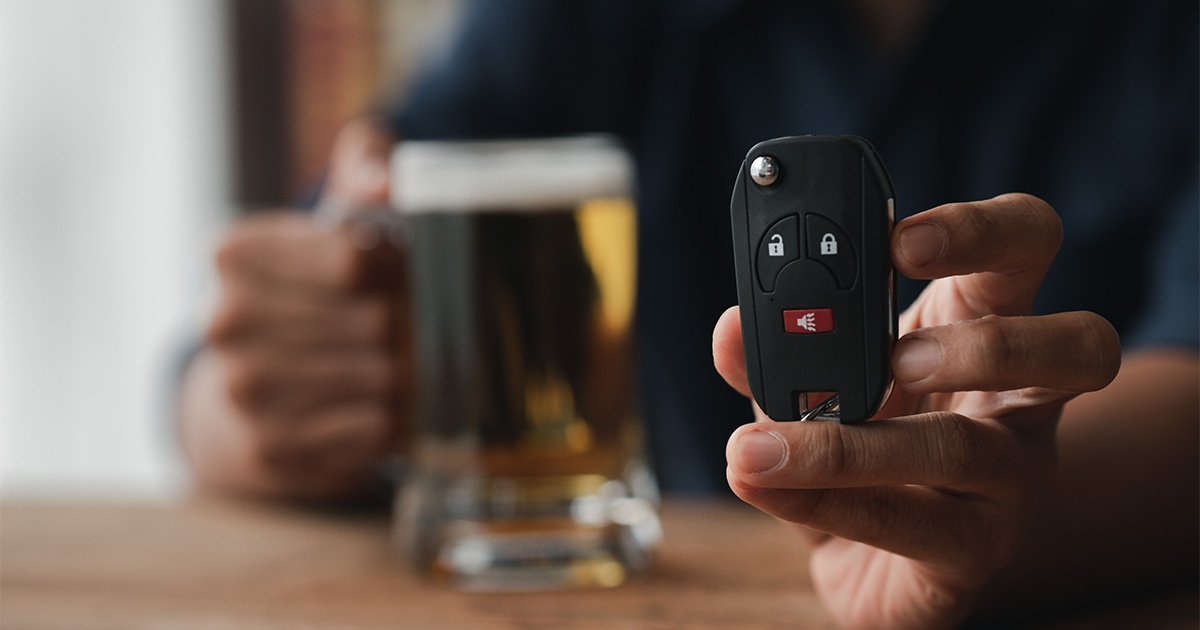
A clear, step-by-step guide to drink driving NSW — from the moment of the roadside breath test all the way through to your Local Court hearing and sentencing.
Step 1: The Roadside Breath Test
In NSW, police have the power under the Road Transport Act 2013 to stop any driver and require them to provide a roadside breath test (RBT) at any time, without needing a reason or suspicion. There are two types of breath tests you may encounter:
Preliminary Breath Test (PBT)
This is the handheld roadside screening device. It gives an indicative result only — it is not evidence in court and cannot be used to convict you on its own. If it registers positive, you will be taken to a booze bus or police station for a more accurate analysis.
Sobriety Assessment / Drug Test
If police also suspect drug use, they may conduct an oral fluid (saliva) test at the roadside. This can detect cannabis, methamphetamine, and MDMA. A positive result leads to a second test sent to a laboratory for confirmation. Drug driving is a separate offence to drink driving.
Important: You cannot legally refuse a breath test in NSW.
Refusing or failing to provide a sample when lawfully requested is itself a criminal offence carrying the same penalties as a high-range PCA reading. Never refuse. If you have concerns about the test, comply first and speak to a lawyer immediately after.
Step 2: Arrest and Breath Analysis at the Station
If your roadside screening test registers above zero (or above 0.02 for learner or provisional drivers), or if the officer suspects you are over the limit, you will be required to accompany police to either a breath analysis vehicle (booze bus) or a police station for an evidentiary breath analysis test.
This second test — conducted on a more sophisticated device known as an Approved Breath Analysis Instrument (ABAI) — produces the BAC reading that becomes the formal evidence used in court proceedings against you.
- You must provide two breath samples. The lower of the two readings is used.
- The test must occur within two hours of when you were last driving for the reading to be valid.
- You are entitled to be told your BAC result immediately after the test.
- You may request a blood test as an alternative within a certain time window — speak to a lawyer about whether this is worth pursuing in your specific circumstances.
Right to silence — what to say to police.
You are required to provide your name and address. Beyond that, you have the right to remain silent and should politely exercise it. Do not make voluntary statements, explain where you’ve been, or try to negotiate with officers. Anything you say can and will be used against you in court. Provide your licence, confirm your identity, and call a lawyer as soon as possible.
Step 3: The Charge — What Does It Actually Mean?
If your breath analysis reading is at or above the relevant limit for your licence type, police will charge you with a drink driving NSW offence. The most common charge in NSW is Drive with Prescribed Concentration of Alcohol (PCA), though there are related drink driving NSW offences including:
- Drive with low-range PCA — BAC 0.050 to 0.079 (for full licence holders)
- Drive with mid-range PCA — BAC 0.080 to 0.149
- Drive with high-range PCA — BAC 0.150 or above
- Drive with novice range PCA — BAC 0.001 to 0.019 (for learners and P1 licence holders, who must be at 0.00)
- Drive with special range PCA — BAC 0.020 to 0.049 (for P2, professional, or alcohol-restricted licence holders)
- Refuse or fail to provide a sample — treated as a high-range PCA offence
After being charged, you will be issued a Court Attendance Notice (CAN), which sets out the charges and lists the date, time, and location of your first court appearance (the “mention”). You may be released immediately, or in serious cases held overnight to appear at court the next morning.
Step 4: Understanding Your BAC Reading and the Penalties You Face
Drink driving NSW penalties are structured by the BAC range of the offence and whether it is a first or repeat offence. Here is a summary of the key penalties under the Road Transport Act 2013:
Novice Range PCA
BAC 0.001 – 0.019
1st Offence
2nd+ Offence
Special Range PCA
BAC 0.020 – 0.049
1st Offence
2nd+ Offence
Low Range PCA
BAC 0.050 – 0.079
1st Offence
2nd+ Offence
Mid Range PCA
BAC 0.080 – 0.149
1st Offence
2nd+ Offence
High Range PCA
BAC 0.150 and above
1st Offence
2nd+ Offence
Refuse / Fail to Provide Sample
Treated as High Range PCA
1st Offence
2nd+ Offence
These are the maximum penalties — not guaranteed outcomes.
Courts have wide discretion in sentencing. Many first offenders — even those with mid-range or high-range readings — receive significantly reduced penalties or no conviction at all when represented by an experienced criminal lawyer who presents strong mitigation.
Alcohol Interlock Conditions
For mid-range, high-range, and repeat offenders, NSW law now requires an alcohol interlock to be fitted to the offender’s vehicle after a mandatory disqualification period. The interlock prevents the car from starting unless a clean breath sample is provided. Interlock periods are:
- Mid-range, 1st offence: 12 months interlock
- High-range, 1st offence: 24 months interlock
- Mid-range, 2nd+ offence: 24 months interlock
- High-range, 2nd+ offence: 48 months interlock
Step 5: Can You Still Drive? Licence Suspension Explained
One of the most urgent questions after a drink driving charge is whether you can continue to drive while waiting for your court date. The answer depends on your BAC reading:
BAC Below 0.08 — No immediate suspension in most cases
If your reading was in the low range (0.05–0.079), police do not have the automatic power to immediately suspend your licence at the roadside. Your licence generally remains valid until the court imposes a disqualification — unless you hold a professional or restricted licence subject to different rules.
BAC 0.08 or Above — Immediate suspension on the spot
For mid-range, high-range, and refused sample charges, police are required to issue an immediate licence suspension at the roadside or station. This takes effect immediately, regardless of whether you are ultimately convicted. You cannot drive from the moment you receive the suspension notice.
The immediate suspension period is credited against your court-imposed disqualification — it is not in addition to it. So the time you are suspended before your court date counts toward your total.
Hardship licence applications
In certain circumstances, a lawyer can apply to the Local Court for a restricted licence allowing you to drive to and from work during the suspension period. These are not easy to obtain and require strong evidence of genuine hardship. If losing your licence would cost you your job or put your family at serious risk, speak to a lawyer about this option before your first court date.
Step 6: Your Court Date — The NSW Local Court Process
All drink driving matters in NSW are heard in the Local Court (not the District or Supreme Court, unless there are unusual aggravating circumstances). Your Court Attendance Notice will show the date and location of your first appearance, known as a mention. Here is how the process typically unfolds:
Before Court — Obtain your brief of evidence and instruct a lawyer
Request the police brief of evidence — this contains the breath analysis certificate, police facts sheet, and any other evidence. Your lawyer will review it for any procedural errors or defects that may be challengeable (e.g., whether the two-hour rule was complied with, calibration records of the breathalyser, whether the notice of suspension was correctly served).
The Mention — Your first court appearance
At the first mention, you (or your lawyer) will indicate to the magistrate whether you intend to plead guilty or not guilty. If guilty, the matter may be sentenced that day or adjourned for submissions. If not guilty, the matter is listed for a hearing (trial) at a later date.
The vast majority of drink driving cases in NSW resolve with a guilty plea. A lawyer can make detailed submissions to the magistrate about penalty, often resulting in a significantly better outcome than pleading guilty without representation.
If Pleading Guilty — Sentencing submissions
If you plead guilty, your lawyer will make written and oral submissions to the magistrate. These typically include: character references from employers, community members, or family; evidence of remorse; a traffic history; any special circumstances (such as medical conditions or significant personal hardship); and evidence of steps taken since the offence (e.g., completing an alcohol education course).
The Decision — The magistrate hands down a sentence
The magistrate will then impose a sentence. This can range from a Section 10 dismissal (no conviction, no disqualification) to a fine, licence disqualification, interlock order, community service, or in serious cases, a term of imprisonment.
Step 7: What Sentences Are Possible in NSW?
NSW Local Court magistrates have considerable discretion in how they sentence drink driving offenders. The full range of possible outcomes, from least to most severe, includes:
- Section 10 Dismissal (no conviction) — The charge is proven but no conviction is recorded. No disqualification, no fine. Your licence is unaffected and there is no criminal record entry for this offence. The gold-standard outcome for first offenders.
- Conditional Release Order (CRO) — without conviction — Similar to a Section 10 but with conditions (e.g., must not reoffend for 12 months). No criminal record if conditions are met.
- Conditional Release Order — with conviction — A conviction is recorded, but no further punishment is imposed beyond the mandatory disqualification.
- Fine — A monetary penalty, usually accompanied by the mandatory licence disqualification period.
- Community service order — Unpaid community work, usually combined with a fine and disqualification.
- Intensive Corrections Order (ICO) — A supervised sentence served in the community. Possible for serious or repeat high-range offenders as an alternative to full-time imprisonment.
- Imprisonment — Reserved for very serious high-range readings, repeat offenders, or cases involving dangerous driving, injury, or death.
Step 8: Avoiding a Criminal Record — Section 10 and How to Get One
A Section 10 dismissal is the outcome most defendants hope for, and for good reason — it means no criminal record and no disqualification. But it is not automatically available. Magistrates consider a range of factors before exercising this discretion.
Factors that favour a Section 10
- First drink driving offence (clean traffic history)
- Low BAC reading (closer to the limit for your licence class)
- Strong genuine remorse and insight into the offending
- Compelling personal circumstances (serious impact of disqualification on employment, family, or health)
- Completion of a traffic offender program before the court date
- Strong character references from credible sources
- Young age or other personal vulnerability
Factors that work against a Section 10
- Prior drink driving history or serious traffic offences
- High BAC reading (particularly 0.15 or above)
- Evidence of dangerous driving at the time of the offence
- Accompanying offences (e.g., driving while disqualified)
- Failure to show genuine remorse or understanding of the seriousness
Note on High Range and the Guideline Judgement: The NSW Court of Criminal Appeal issued a guideline judgement in 2004 indicating that non-conviction orders such as Section 10s will “rarely be appropriate” in ordinary high-range drink driving cases. However, this does not make them impossible — strong mitigating circumstances and experienced legal representation can still achieve this outcome.
Section 10 outcomes are far more likely with legal representation. Magistrates hear dozens of drink driving matters every day. A lawyer who regularly appears in your court, understands what the particular magistrate responds to, and presents a carefully prepared submission with strong character references makes a measurable difference to whether a Section 10 is granted.
Step 9: What You Should Do Right Now
If you have been charged with drink driving in NSW — whether today or in the last few weeks — here are the steps to take immediately:
- Do not discuss the offence with anyone other than a lawyer. What you say to friends, family, or on social media can be used against you.
- Note the exact date and time of the breath test and everything you remember about the circumstances — this may be relevant to the two-hour rule and other procedural defences.
- Do not drive if you have received an immediate suspension notice. Driving while suspended is a serious separate offence that will significantly worsen your position.
- Request your brief of evidence from the police station (your lawyer can do this on your behalf).
- Enrol in a Traffic Offender Intervention Program (TOIP). Completing this before your court date is one of the most effective ways to show genuine remorse and is viewed favourably by magistrates.
- Gather character references — from an employer, community leader, coach, or long-term family friend. Written references from credible sources carry significant weight.
- Engage a criminal lawyer experienced in drink driving matters as soon as possible. Early engagement means more time to prepare, which means a better outcome.
Frequently Asked Questions
Can I still drive after being charged with drink driving in NSW?
It depends on your BAC reading. If your reading was below 0.08 (low range), police generally cannot immediately suspend your licence — you can continue to drive until the court imposes a disqualification. If your reading was 0.08 or above (mid-range, high-range) or you refused to provide a sample, police will issue an immediate suspension on the spot. You cannot drive from that moment. A lawyer can apply to the court for a restricted licence in genuine hardship cases.
Will I get a criminal record for drink driving in NSW?
Not necessarily. If the court dismisses the matter under Section 10 of the Crimes (Sentencing Procedure) Act 1999, no conviction is recorded and the offence does not appear on your criminal record. This outcome is achievable for many first offenders — particularly those with a low BAC reading, strong character references, and legal representation — but is not guaranteed and depends heavily on the strength of the submissions made on your behalf.
How long does a drink driving case take to go through the NSW courts?
Most drink driving matters in the NSW Local Court are listed for a first mention within 4–8 weeks of the charge. If you intend to plead guilty, the matter can sometimes be dealt with at the first mention, though it is more common for it to be adjourned 2–4 weeks to allow time to prepare submissions and character references. If you plead not guilty, the matter will be listed for a hearing, which may be 3–6 months away depending on the court’s availability.
Do I need a lawyer for a drink driving charge in NSW?
You are not legally required to have a lawyer, but the data strongly suggests having one improves your outcome. Lawyers who regularly appear in drink driving matters know which magistrates respond to which types of submissions, can identify procedural defences you would likely miss, and present your case in the most compelling possible way. For any offence where you risk a criminal record or losing your licence, the cost of a lawyer is almost always justified.
What is an alcohol interlock and do I have to have one?
An alcohol interlock is a breathalyser device fitted to your vehicle that prevents the engine from starting unless you provide a clean breath sample. Under NSW law, interlock orders are now mandatory for mid-range PCA, high-range PCA, second or subsequent offences, and refused sample charges. The interlock period begins after your mandatory disqualification ends and runs for a minimum of 12 months (mid-range, 1st offence), 24 months (high-range, 1st offence), 24 months (mid-range, 2nd+ offence), or 48 months (high-range, 2nd+ offence). The cost of installation and maintenance is borne by the offender.
Can I challenge the accuracy of the breath test result?
Yes, it is possible to challenge the breath analysis result, though it requires technical legal arguments. Possible grounds include: the test was conducted outside the two-hour window; the machine was not correctly calibrated or maintained; the officer did not follow the required testing procedure; or there was mouth alcohol from recent drinking that inflated the result. A lawyer experienced in drink driving matters will review the police brief of evidence for any such issues before advising on whether a not guilty plea is viable.